Press Enter

Calibration. Validation. Qualification.


Three words that get used a lot in regulated industries. Sometimes in the same conversation. Sometimes interchangeably.


The problem? They don't mean the same thing.


Calibration verifies the accuracy of a measurement. 
Qualification verifies that equipment or a system is installed and performs as intended. 
Validation takes the bigger-picture view, providing documented evidence that a process or system consistently achieves its intended result.


Still a little blurry? Let's break it down.
 

What is Calibration?

Calibration is the process of comparing an instrument's measurements against a known reference standard to determine its measurement accuracy.


In simpler terms: Can you trust what your instrument is telling you?


Let's say a temperature sensor in your pharmaceutical refrigerator is reading 5°C. That's useful information… assuming it's actually 5°C. Calibration compares that sensor against a traceable reference standard to determine how closely its reading matches the reference. The results can then be evaluated against specified tolerances to determine whether the instrument is suitable for its intended use. Depending on the results, an instrument may require adjustment, repair, or recalibration before being returned to service.


And it's not just temperature. Calibration applies to instruments measuring pressure, humidity, flow, electrical parameters, dimensions, sound, gas and plenty more.


The question calibration answers:
“Is this instrument measuring accurately?”
 

Temperature2

What is Equipment Qualification?

Equipment qualification provides documented evidence that equipment or a system is installed correctly and operates and performs according to predefined requirements. 
Instead of focusing on an individual measurement, qualification looks at the equipment or system more broadly.


You'll commonly hear three terms associated with equipment qualification:
Installation Qualification (IQ) verifies that equipment has been installed correctly according to approved specifications.
Operational Qualification (OQ) verifies that the equipment operates as intended throughout its specified operating ranges.
Performance Qualification (PQ) demonstrates that the equipment consistently performs as expected under actual or simulated operating conditions.


An easy way to remember them:
IQ: Was it installed correctly?
OQ: Does it operate correctly?
PQ: Does it perform properly when we use it?


Put the three together and you have documented evidence that the equipment was installed properly, operates correctly and can perform as intended.
 

7

Calibration vs. Qualification: What's the Difference?

If you remember one thing from this blog, make it this:
Calibration looks at the measurement. Qualification looks at the equipment or system.


Let’s give you an example:


Say you have a temperature-controlled chamber.
Calibration can verify that the temperature sensors used to monitor the chamber are measuring accurately. Qualification looks beyond those individual sensors. 

Does the chamber operate within the required temperature range? 

Can it maintain those conditions? 

Does it perform consistently according to its predefined requirements?


A perfectly calibrated sensor doesn't prove that the entire chamber performs properly.
And a qualified chamber doesn't make accurate measurement any less important.
That's why calibration and qualification aren't competing services. They often work together.
 

So, Where Does Validation Fit In?

Here's where things get a little more confusing.


Validation is the broader documented process used to demonstrate that a process, system, method or procedure consistently achieves its intended result. For example, process validation assesses whether manufacturing consistently produces product meeting its quality requirements. Other validation activities may apply to analytical methods or computerized systems, depending on their intended use.


Qualification typically focuses on equipment, utilities and systems, and may form part of a larger validation program.


That's why you'll often hear terms such as validation services, equipment qualification, IQ/OQ/PQ and temperature mapping discussed together. Exactly what you need depends on your equipment, application, quality system, industry and applicable regulatory requirements.


Which brings us to the question we hear most often...
 

Validationrentalprogram1

Do You Need Calibration, Qualification, or Both?

Start with one question:
What are you trying to prove?


If you need to demonstrate that an instrument is measuring accurately, you're likely looking at calibration.
If you need to demonstrate that equipment or a system is installed correctly and performs as intended, you're likely looking at qualification.
If you need to demonstrate that a process or system consistently achieves its intended result, you're moving into validation.


And sometimes, the answer is more than one.


For example, calibrated instruments may be used to collect the data required during equipment qualification. Different activities, different objectives; but very much connected.
Understanding that distinction at the beginning of a project can save you from discovering later that the documentation you have isn't the documentation you actually needed.


That's a plot twist nobody needs before an audit.
 

BTS Alphas Lab Wide Shot

Not Sure What You Need?

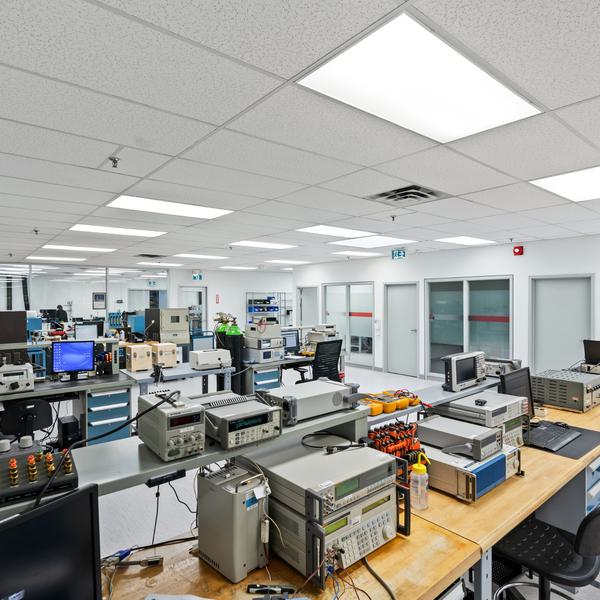
You don't need to come to Alpha Controls already knowing whether your project requires calibration, qualification, validation or a combination of the three.


That's our job.


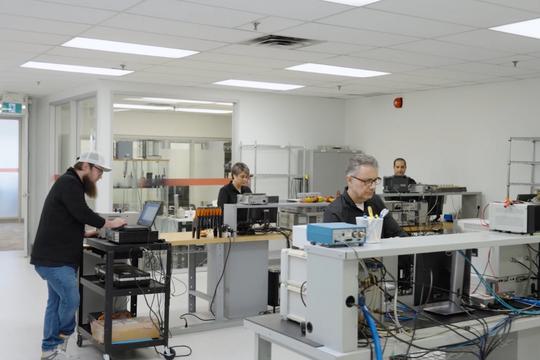
Tell us about the equipment or system you're working with and what you need to demonstrate. Our calibration and validation teams can help you understand the requirements, determine the right approach and make sure you're getting the service and documentation your project actually calls for.


Because knowing the difference between IQ, OQ and PQ is helpful.


Knowing you've got the right people helping you through all three? Even better.


ARW9713

Calibration, Validation & Qualification FAQs/Misconceptions:


Is calibration the same as validation?
No. Calibration verifies the accuracy of an instrument's measurements. Validation provides documented evidence that a process, system or method consistently achieves its intended result. Calibration can be part of a larger validation program, but the terms are not interchangeable.


What is the difference between calibration and qualification?
Calibration focuses on measurement accuracy, while qualification focuses on demonstrating that equipment or a system is installed correctly and operates and performs according to predefined requirements.


What do IQ, OQ and PQ mean?
IQ stands for Installation Qualification, OQ for Operational Qualification and PQ for Performance Qualification. Together, they help document that equipment is installed correctly, operates according to requirements and performs as intended.


If IQ, OQ, and PQ are complete, the process is validated?
Not automatically. Equipment qualification and process validation have distinct objectives, even when qualification data support validation activities.


Every system needs exactly the same tests?
No. Testing should be proportionate to intended use, risk, complexity, and applicable requirements, with acceptance criteria defined before execution.